_edited.png)
Vein Removal for Spider Veins What to Expect and Who Is a Good Candidate
Small visible veins can feel minor until they
are the first thing you notice
Spider veins are easy to dismiss when they are on someone else.
But when they are on your own skin, it feels different.

You might notice one tiny red line near your nose. Then another one shows up on your cheek. Or maybe you have purple or blue veins on your thighs or calves that make you think twice before wearing shorts. Sometimes they show more in bright
lighting. Sometimes they peek through makeup. Sometimes you only notice them in photos, and once you notice them, it is hard to stop looking.
A lot of clients at AMC Laser Lounge in Rolling Meadows, IL come in for this exact
reason.
They are not trying to change everything about their face or legs. They just want
those little visible veins to look softer, lighter, or less obvious. They want their skin
to look a little calmer and more even.
That is where vein removal for spider veins may help.
At AMC Laser Lounge, vein removal is offered for visible spider veins and small
vessels as part of our face and body treatment options. You can view the
treatment list here: Explore Face and Body Services
Let’s go through it simply, so you know what spider veins are, why they happen,
what treatment can feel like, and how to know if you may be a good candidate.
What spider veins are
Spider veins are tiny blood vessels that become visible near the surface of the
skin.
They can look red, purple, blue, or a mix of colors. Some look like thin little lines.
Some look like small branches. Some look like a tiny web under the skin.
That is why they are called spider veins.
They are usually smaller and flatter than varicose veins. Varicose veins are often
larger, raised, twisted, or bulging. Spider veins tend to be thinner and closer to the
surface.
Cleveland Clinic has a helpful guide that explains spider veins in more detail here:
The good news is that spider veins are common. Having them does not mean you
did anything wrong. Sometimes your skin or veins are simply more prone to them.
Where spider veins usually appear
Spider veins can show up in different areas, but most people notice them on the
face or legs first.
Common areas include:
Around the nose
Cheeks
Chin
Thighs
Calves
Ankles
Behind the knees
Facial spider veins can make the skin look red even when you are not flushed.
Some people feel like their foundation never fully covers them.
Leg spider veins can feel frustrating in a different way. You may feel fine
physically, but still feel uncomfortable wearing shorts, dresses, swimwear, or
workout clothes because the veins feel too noticeable.
And honestly, that is enough reason to ask about treatment.
You do not need to wait until something feels severe before you care about it.
Why spider veins happen
Spider veins can appear for many reasons.
Sometimes it is genetics. Sometimes it is years of sun exposure. Sometimes it is
pregnancy, hormone changes, sensitive skin, rosacea, aging, or long hours
standing. Some people notice them after repeated facial flushing. Others notice
them on the legs after years of work, activity, or circulation changes.
On the face, spider veins may be connected to:
Sun damage
Rosacea
Skin sensitivity
Repeated flushing
Aging skin
Irritation from harsh products
On the legs, spider veins may be connected to:
Family history
Pregnancy
Hormonal changes
Long periods of standing
Long periods of sitting
Pressure in the veins
Natural aging
This is why treatment should not feel like a quick guess.
A tiny red vessel near the nose is not always the same as a cluster of leg veins
that comes with heaviness or swelling. The details matter.
Can creams remove spider veins
This is one of the first things people ask, and it makes sense.
Most people would rather use a cream than book a treatment if a cream can fix
the problem.
But once a true spider vein is visible, skin care products usually cannot close that
vessel. A cream may help calm redness. Sunscreen may help protect the skin.
Gentle products may help prevent irritation. But an existing visible vessel usually
needs a professional treatment if you want it to fade.
That is why laser vein removal is often discussed.
The American Academy of Dermatology explains different treatment options for
visible leg veins here: American Academy of Dermatology Leg Vein Treatments
How laser vein removal works
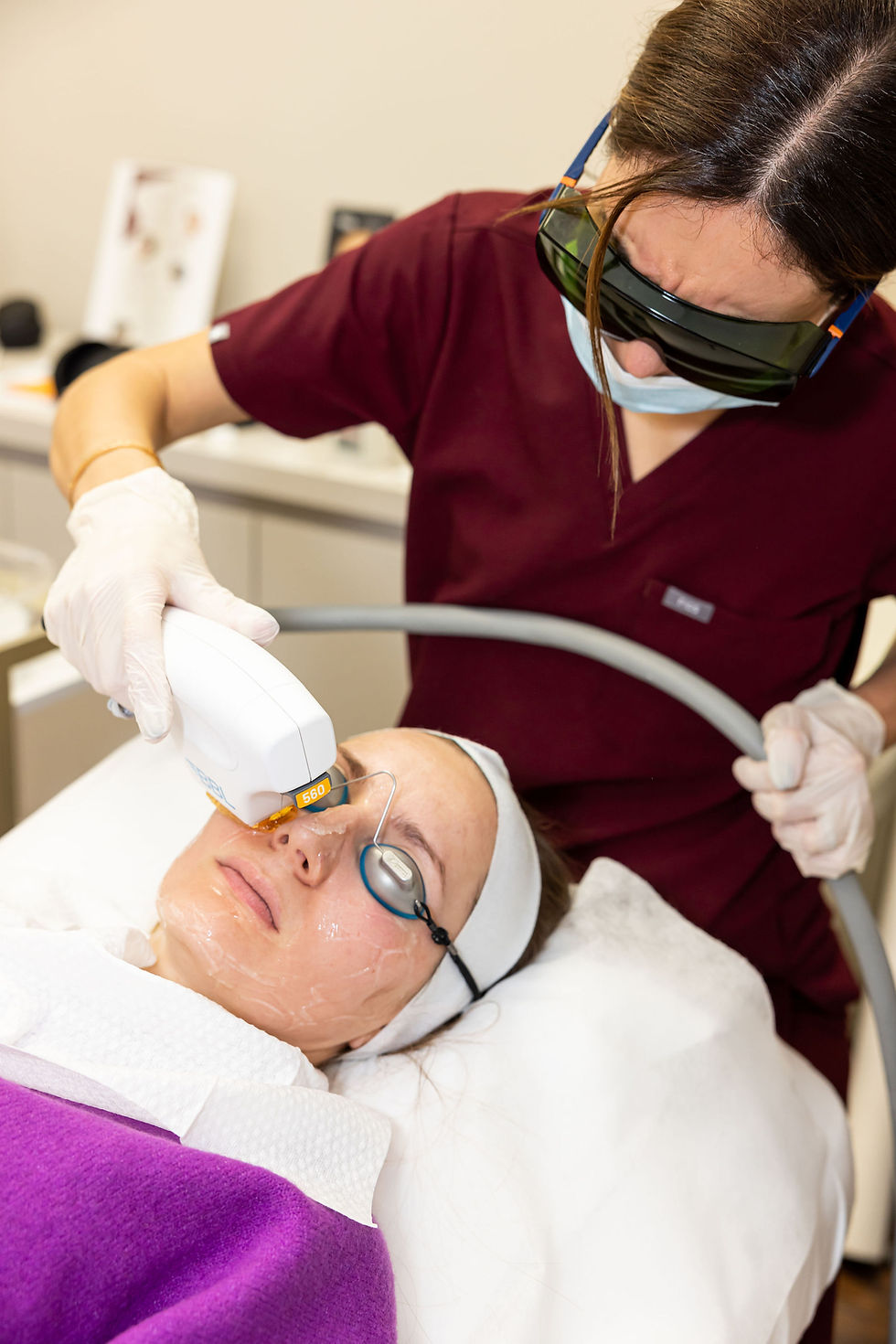
Laser vein removal uses focused light energy to target the visible vessel.
The energy heats the vessel. Over time, the body gradually clears the treated
vessel, and the vein may fade.
That part is important.
Some people expect the vein to disappear the second the treatment is done.
Sometimes there is an immediate change, but many vessels fade gradually.
Some may look darker before they get lighter. Some may need more than one
appointment.
AMC Laser Lounge has a blog about the Candela GentleMax Pro Plus and how it
can be used for concerns like spider veins, broken capillaries, facial redness,
cherry angiomas, and vascular lesions. You can read it here: Candela GentleMax
The main idea is simple.
We are not covering the vein.We are treating the visible vessel so the body can
slowly clear it.
What the treatment feels like
Most people describe laser vein removal as a quick warm snap.
It may feel like a tiny zap on the skin. Some areas feel more sensitive than others,
especially around the nose, cheeks, ankles, or thighs.
Smaller areas are usually quick. Larger clusters may take more time.
It is not usually described as a spa relaxation treatment, but it is usually
manageable. The sensation is quick, and your provider should talk you through
what is happening.
At AMC Laser Lounge, we want you to feel comfortable asking questions during
the appointment. You should not feel rushed or confused. If something feels
sensitive, you can say so.
That kind of communication matters.
What your skin may look like after
After treatment, the area may look red, slightly swollen, or a little irritated for a
short time.
Some veins may appear darker before they begin to fade. This can make people
nervous if they were not told ahead of time, but it can be part of the process.
The treated area may also feel tender.
For facial veins, aftercare is usually focused on gentle skin care and sun
protection.
For leg veins, your provider may give additional instructions depending on the
area treated. This may include activity guidance or compression guidance when
appropriate.
Mayo Clinic has an easy to understand overview of vein treatment options here:
The best thing you can do after treatment is follow the instructions you are given
and give the skin time to settle.
How many sessions you may need
This depends on the veins.
A tiny facial vessel may need fewer sessions than a larger cluster on the legs.
Some veins respond quickly. Others take longer. Some areas need a series before
the result looks the way you want.
This is why we try to keep expectations honest.
Vein removal can help reduce the appearance of visible spider veins, but it is not
always a one visit situation. Your body needs time to clear the treated vessel, and
new spider veins can still appear later if you are prone to them.
That does not mean treatment is not worth it.
It just means the best results come from understanding the process before you
start.
Who may be a good candidate
You may be a good candidate for spider vein removal if the veins are small, flat,
visible, and mostly cosmetic.
You may be a good fit if:
You have tiny red, purple, or blue vessels on the face or legs
The veins are flat and not large or bulging
You want the area to look clearer or more even
You understand that more than one session may be needed
You can follow aftercare instructions
You are not expecting every vein to disappear in one appointment
You are willing to protect treated skin from sun exposure
The best way to know is to have the area looked at first.
You can start here: Book a Consultation
Who should get checked before cosmetic vein
treatment
This part is important.
If your veins are painful, swollen, warm, raised, or connected with heaviness,
aching, skin color changes, or sudden swelling, it may not be a simple cosmetic
concern.
Large varicose veins are different from small spider veins. Sometimes vein
concerns can be connected to deeper circulation issues.
Cleveland Clinic has a clear guide on varicose veins here: Cleveland Clinic
At AMC Laser Lounge, cosmetic vein removal is meant for appropriate visible
vessels and small spider veins. If something looks like it needs medical care first,
we would rather guide you safely than treat something that should be evaluated.
That is not meant to scare you.
It is just the right way to take care of people.
Facial spider veins and leg spider veins are a
little different
Spider veins can show up on the face and legs, but they are not always treated
the same way.
Facial spider veins
Facial spider veins often appear around the nose, cheeks, or chin.
They can make the skin look red even when you are not hot, embarrassed, or
flushed. A lot of people notice them more in photos or when makeup does not sit
well over redness.
Facial veins may be related to sun exposure, rosacea, sensitivity, or repeated
flushing.
For many clients, softening those tiny vessels can help the face look calmer and
more even.
Leg spider veins
Leg spider veins often show up on the thighs, calves, ankles, or behind the knees.
Some are simply cosmetic. Others may be part of a bigger vein pattern. That is
why we ask questions about aching, swelling, heaviness, or bulging veins before
moving forward.
A good consultation looks at both what you see and what you feel.
Can spider veins come back
Treated spider veins may fade, but new ones can appear later.
That can happen because of genetics, hormones, pregnancy, sun exposure,
aging, circulation, long hours standing, or skin sensitivity.
This does not always mean the treatment failed.
It means your body can form new visible vessels over time.
For some clients, vein removal becomes something they maintain when needed.
They treat the veins that bother them, then come back later if new ones show up.
That is a normal part of the conversation.
How to help prevent new spider veins
You cannot control every cause of spider veins, but you can support your skin and
circulation.
For facial veins, it may help to:
Wear sunscreen every day
Avoid tanning
Be gentle with sensitive skin
Avoid harsh scrubbing
Pay attention to flushing triggers
Treat rosacea carefully if it is part of your skin history
For leg veins, it may help to:
Move throughout the day
Avoid sitting still for very long periods
Avoid standing still for very long periods when possible
Elevate your legs when helpful
Follow compression guidance if a provider recommends it
Pay attention to pain, swelling, or heaviness
These habits may not stop every spider vein, but they can help support your results.
What not to do after vein removal
After vein treatment, keep things simple.
Do not scrub the area.
Do not pick at the skin.
Do not tan.
Do not rush back into harsh exfoliating products.
Do not ignore your provider’s instructions.
If the treated area is on the face, keep your routine gentle and use sunscreen. If it
is on the legs, follow any activity or compression advice given to you.
This is not the time to test a new active product or force the skin to hurry.
Simple aftercare is usually best.
Why a consultation matters
Spider veins may look simple, but a good provider will still ask questions.
During a consultation, we may talk about:
Where the veins are located
How long they have been there
Whether they are painful or only visible
Whether the veins are flat or raised
Whether you have redness or rosacea
Whether sun damage may be part of the issue
Whether you have had vein treatments before
Your skin tone and sensitivity
Any important event coming up
What kind of result you are hoping for
Those details help us decide if vein removal is a good fit and what kind of plan makes sense.
You can also explore our full treatment list here: Face and Body Services
Why clients in Rolling Meadows choose AMC
Laser Lounge
A lot of people feel nervous before asking about vein removal.
They wonder if their veins are treatable. They wonder if laser is safe for their skin.
They wonder if it will hurt. They wonder if they will need one session or several.
That is completely normal.
At AMC Laser Lounge in Rolling Meadows, we want the process to feel clear. We
look at the area, explain what we see, talk about what may help, and give you
realistic expectations.
No pressure. No big promises. No making you feel silly for caring about something
small.
If it bothers you, it matters enough to talk about.
Final thoughts
Spider veins may be tiny, but they can still change how you feel about your skin.
They can make the face look red, the legs look uneven, or certain areas feel
harder to cover. And once you notice them, they can become frustrating.
Vein removal may help reduce the appearance of small spider veins when they
are appropriate for treatment. The best place to start is with a consultation, so we
can look at the area and explain what is realistic for your skin.
At AMC Laser Lounge in Rolling Meadows, we can help you understand your
options and decide whether vein removal is the right next step.
Start here: Contact AMC Laser Lounge


Comments