_edited.png)
Chemical Peel vs Laser Resurfacing Which One Should You Start With
If you have been staring at your skin in the mirror and thinking I just want it to look smoother and more even, you are not alone
Most people do not wake up and decide they want a chemical peel or laser resurfacing because it sounds fun.
They start searching because something feels off.
Maybe your skin looks dull no matter what you put on it. Maybe you have old acne marks that do not fade. Maybe sun spots are making your complexion look uneven. Maybe fine lines are starting to show up in certain lighting. Maybe your makeup sits weird on texture that was not there a few years ago.
Then you end up here, choosing between two treatments that sound similar but feel very different once you actually understand them.
Both can help. Both can transform the look of your skin. But they are not the same, and the best choice depends on your skin goals, your tolerance for downtime, your skin tone, and what you want your results to look like.
This guide will walk you through the differences in plain language, so you can make a decision that feels confident, not rushed.
If you want to browse AMC Laser Lounge face and body services first, start here
Explore Face and Body services page
What a chemical peel actually does
A chemical peel is a controlled exfoliation treatment. A solution is applied to the skin to help remove the outer layer of dead skin cells and encourage new, fresher skin to come through.
Think of it like helping your skin reset.
Depending on the peel type and strength, chemical peels can help with:
Acne and breakouts
Post acne marks
Uneven tone
Rough texture
Fine lines
Sun damage and dullness
Melasma management in the right plan
Congested pores
Chemical peels range from light to medium to deeper types. Many med spas focus on light and medium peels because they have a great balance of results and manageable downtime.
A good medical overview of chemical peels is available through Cleveland Clinic What laser resurfacing actually does
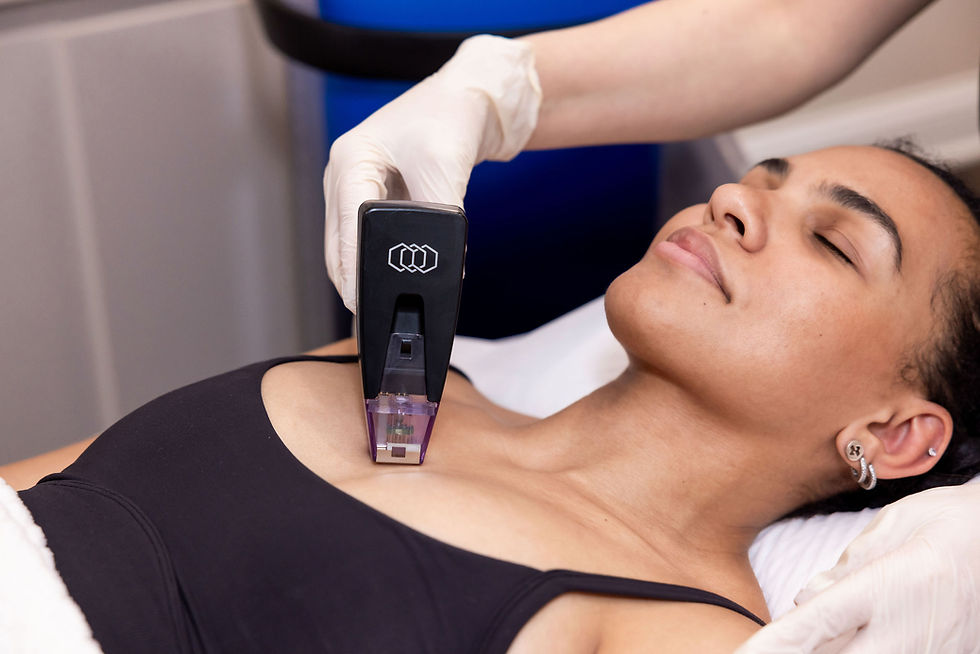
Laser resurfacing uses focused light energy to improve skin texture and tone. Depending on the type of laser, the treatment can remove damaged skin layers, heat deeper tissue to stimulate collagen, or both.
Laser resurfacing is often chosen for:
Stronger texture improvement
Deeper acne scars
Sun spots and pigment clusters
Fine lines and wrinkles
Overall skin smoothing
Collagen stimulation for firmness
There are different types of resurfacing. Some are more aggressive, some are gentler. A good provider will recommend based on your skin type, your concerns, and your schedule.
A helpful reference on laser resurfacing basics is from Mayo Clinic The quickest way to understand the difference
Chemical peels focus on the surface
Peels primarily work by exfoliating and renewing the outer layers of your skin. They help with brightness, tone, and surface smoothness. They can also support acne control when used appropriately.
Laser resurfacing can go deeper
Laser resurfacing can address both surface issues and deeper texture concerns by stimulating collagen and remodeling the skin over time.
If your main problem is dullness and uneven tone, a peel may be enough.
If your main problem is deeper scarring or significant texture and fine lines, laser resurfacing may make more sense.
Which one is better for your specific concern
If your main concern is dullness and uneven tone
A chemical peel is often the easiest first step. Dullness is usually a surface problem, and peels are designed to refresh that surface.
Many clients love the way makeup sits after a peel because the skin looks brighter and feels smoother.
If your main concern is acne and congestion
Chemical peels can be a strong option, especially when acne is part of the story. A well chosen peel can help clear the build up that contributes to clogged pores.
That said, active acne, sensitivity, and skincare routines matter, so a consultation is important.
If your main concern is sun spots or discoloration
Both can work, depending on the type of discoloration.
Some pigment responds beautifully to peels. Some pigment responds better to laser or light based devices. Some pigment needs a combined plan.
If you are not sure whether your spots are sun spots, melasma, or post acne marks, that is exactly why a professional consult helps.
If your main concern is fine lines
Light and medium peels can soften fine lines, especially around the mouth and on the cheeks.
Laser resurfacing can deliver stronger results for lines because it can stimulate collagen more deeply, depending on the laser type and settings.
If your main concern is acne scars and texture
This is where laser resurfacing often wins, especially for deeper scars.
Microneedling and radiofrequency microneedling can also be part of this discussion, depending on your skin and goals.
If scars are your biggest frustration, you likely want a plan that includes collagen remodeling, not just surface exfoliation.
Downtime comparison in real life terms
Most people do not mind results taking time. What they mind is not knowing what their face will look like on day two and day three.
Let us make downtime feel less mysterious.
Chemical peel downtime
Light peel: Usually mild dryness, light flaking, and some redness for a day or two.
Medium peel: More visible peeling, more redness, and more dryness. You may want a few days of breathing room. You may also want to schedule it when you are not doing big events.
Peels are often described as social downtime, meaning you can still live your life, but you might prefer not to be photographed close up for a few days.
Laser resurfacing downtime
This depends heavily on the type of laser.
Some lasers have minimal downtime with mild redness.
Other resurfacing treatments can involve more noticeable redness, swelling, and a longer recovery period.
This is why you never want to compare laser to laser without specifics. Your provider should tell you what the recovery looks like for the exact treatment being recommended.
Comfort and what the treatments feel like
Chemical peel sensation
Peels often feel warm, tingly, or stingy for a short period. Some peels feel mild, some feel more intense. It depends on the solution and your skin sensitivity.
Laser resurfacing sensation
Laser treatments can feel hot and prickly. Many providers use numbing for comfort depending on the device and the treatment depth.
A well paced treatment, good cooling, and clear communication make a huge difference.
Skin tone considerations and safety
This matters, and it should be talked about honestly.
Some treatments carry higher risk of post inflammatory pigmentation, especially for deeper skin tones or highly reactive skin.
That does not mean you cannot get great results. It means settings, plan, and aftercare matter.
A solid reference on skin care safety and finding the right treatment approach is the American Academy of Dermatology If you have a history of hyperpigmentation, melasma, or dark marks after irritation, bring it up in your consultation. It helps your provider plan more safely.
Seasonal timing in the Chicago area matters more than people think
For Rolling Meadows and nearby suburbs, seasonal changes affect skin.
Winter can mean dryness and sensitivity. Summer means higher sun exposure.
With both peels and laser resurfacing, sun protection matters. The more sun exposure you have, the more carefully timing and aftercare need to be planned.
A lot of clients like doing stronger corrective treatments in fall, winter, and early spring because it is easier to stay out of the sun and protect the skin.
How to choose which one to start with
Here is the simplest way to decide.
Start with a chemical peel if you want
A fresher brighter look
Improvement in tone and surface texture
Help with mild acne and congestion
A more gradual approach
Minimal downtime
Start with laser resurfacing if you want
Stronger texture smoothing
Collagen remodeling for fine lines
More significant sun damage correction
A bigger jump in results
A plan that can target deeper concerns
The truth is many people do both, just in the right order
This is what most people do not realize.
You do not have to pick one treatment for life.
Many plans start with peels to improve tone and prepare skin. Then move into laser resurfacing for deeper correction. Then maintain with peels or lighter treatments.
Or the opposite, depending on the skin.
The right order depends on what your skin needs most right now.
What to expect at AMC Laser Lounge
Our goal is simple. We want you to feel informed and safe before you commit to anything.
At a consultation, we usually cover:
What your skin concerns look like up close
What is realistic to improve and how long it takes
Which treatment is better as a first step
What downtime will look like for your schedule
What aftercare looks like so your results last
Final thoughts
Chemical peels and laser resurfacing are both solid options. The best one depends on what you want to fix and how you want to experience the process.
If you want a smoother brighter surface and a gradual glow up, start with a peel.
If you want deeper correction and collagen remodeling, laser resurfacing may be the better first move.
Either way, you do not have to guess.


Comments